Last updated: November 11, 2026 · By Wander Cambodia
 By Sophea Khim · Host & Editor, Wander Cambodia
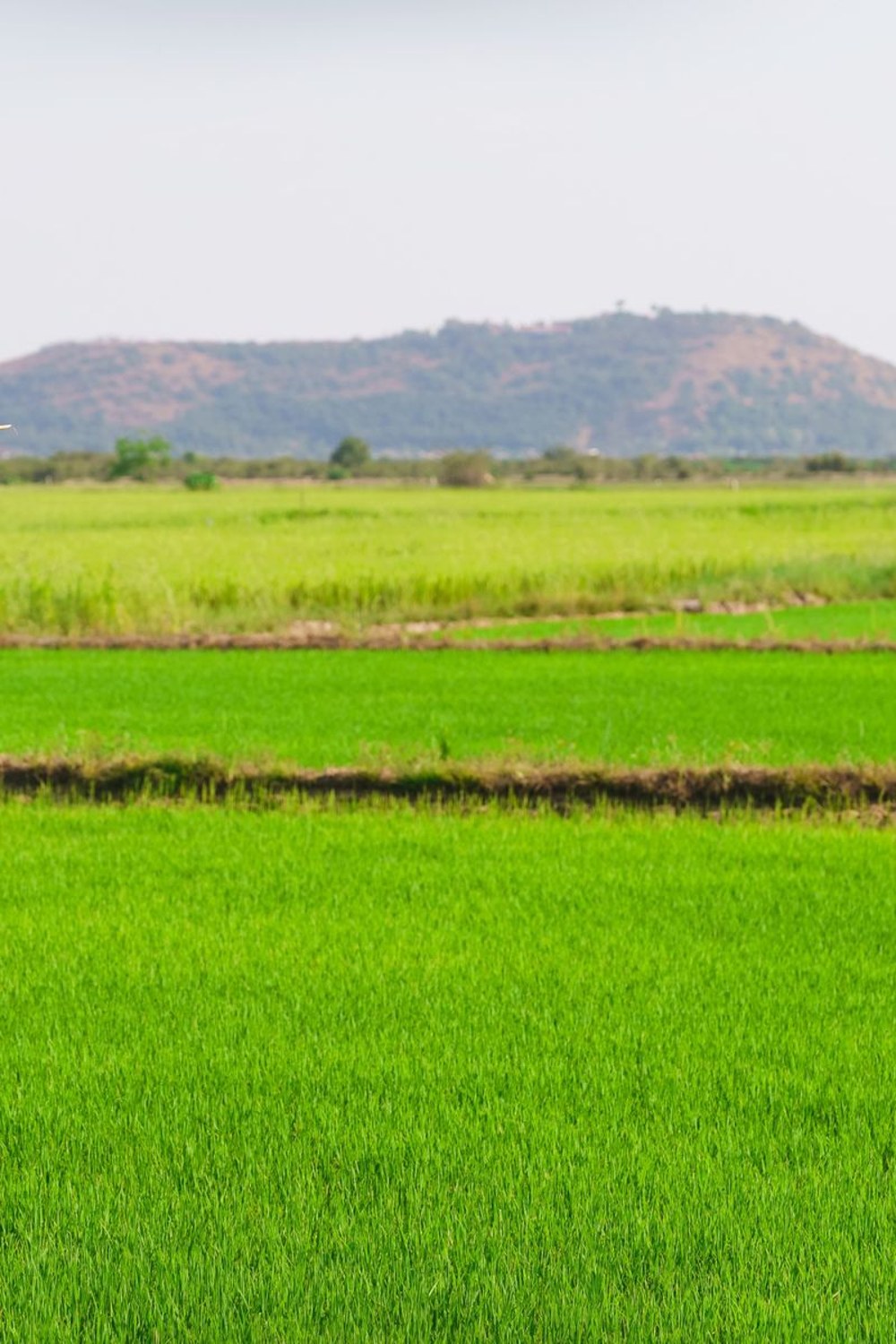
July is the rainy season in full voice — the month after June's establishment of the pattern, when the green takes over completely. Rain falls on most days now, typically as heavy afternoon or evening downpours between bright, steamy mornings. Daytime highs sit around 28–33°C, the Tonle Sap is swelling toward its great reversal, waterfalls run properly for the first time since November, and the temples stand empty in storm light. Prices stay at the year's floor. This is not the month for an island finale; it is a superb month for the inland country.
Siem Reap and Angkor: around 200mm of rain in a typical July, falling in bursts. Dawn temple starts are commonly clear, moats and ponds are full (the famous Angkor Wat reflections are a rainy-season gift), and the jungle temples — Ta Prohm above all — look the way the postcards promise, with almost nobody in them. Phnom Kulen's waterfall runs strong. Phnom Penh: similar totals; plan museums and markets as afternoon reserves and enjoy a riverfront washed clean most evenings. Battambang and the northwest: comparatively kind July weather, as in June. The northeast (Kratie, Mondulkiri, Ratanakiri): waterfalls at their best and hills at their greenest — Banlung's crater lake and falls country earns the trip now — but dirt roads turn to mud after heavy rain, so build slack into every rural leg. The south coast and islands: the honest exception again, and bigger: July is among the coast's wettest months, seas are rough, ferries cancel, and island time is a gamble. Keep island nights flexible or skip them this month.
July rain is heavier and a little less punctual than June's: expect a serious downpour most days, sometimes two, most often from mid-afternoon into the evening, with mornings still the reliable sightseeing window. Whole grey days happen — more than in June — so the July method is to front-load each day, keep one indoor plan in reserve, and never schedule a single unrepeatable dawn for the trip's only temple sunrise. The Mekong runs high, the Tonle Sap's expansion is well advanced, and from July the floating villages are in their wet-season world. The genuine hazards stay mundane: flooded street sections in the capital's heaviest downpours, mud on rural roads, and swollen rivers — respect local advice around waterfalls and crossings after storms.
Run the inland loop and let water be the theme rather than the obstacle. Siem Reap first, on a 3-day Angkor Pass used flexibly inside its validity window, with a Tonle Sap trip as the lake rises. Battambang next for the kindest skies in the northwest, then east: Kratie for the dolphins at high water, and the northeast for waterfalls at full strength — the loop our 14-day itinerary describes, minus the coast. Finish in Phnom Penh, early-and-late, with covered markets as rain reserves. Paperwork is unchanged: the $30 tourist eVisa (or $35 Ordinary entry if you might stay on) and the free e-Arrival card in the week before you fly. Our season overview — when is the best time to visit Cambodia — puts July in its full context.
Deep low season: the year's lowest room rates continue, lead times are short everywhere, and the negotiation room that vanishes in January is yours. As in June, comfort is worth paying for in humidity — a good room with air-conditioning and somewhere covered to watch the rain from beats a marginal discount. Book rural and island legs loosely: in July the ability to swap a day around weather is worth more than any prepayment saving.
June's kit, hardened: a real rain jacket (a poncho alone starts to feel thin by week two), a dry bag that now works daily, sandals that survive soaking and dry fast, and repellent — standing water means mosquitoes in earnest. The items that cost double bought here are listed in buy before you fly, and our hard-to-buy packing answer is the short version.
Weather figures are long-term July averages checked November 2026; the south-coast figures run far wetter than the inland ones. A single week's forecast always outranks a month's reputation.
July suits a specific trip: the rainy season is in full swing, so you get the greenest landscapes of the year, full waterfalls, empty temples and low prices, in exchange for rain on most days — usually a heavy afternoon or evening downpour rather than a washed-out day. Inland (Siem Reap, Phnom Penh, Battambang, the northeast) July works well; the south coast and islands are at their wettest and roughest.
No. July rain typically falls as one or two heavy downpours, most often in the afternoon or evening, with usable — often bright — mornings. Rain totals build through the month (roughly 200mm in Siem Reap and Phnom Penh in a typical July, far more on the coast), but the pattern is bursts, not all-day rain.
Warm and humid: daytime highs around 28–33°C depending on region, nights in the mid-20s, and regular heavy rain. The Tonle Sap is expanding fast, rivers are high, and the countryside is at its greenest. The south coast is much wetter than the inland regions and seas are rough.
Next in this series: Cambodia in August — the rains near their peak, the lake at its highest.
One short email a week with what actually changed on the ground — no fluff, no spam.
Free forever · One email a week · Unsubscribe anytime
Visa rule changes, the best travel deals we find, and new guides — once a week, no spam.
Free forever · Unsubscribe anytime
 Wander Cambodia